The Benefits of Incorporating Singalong Activities in School Programs


Introduction to Singalong Activities
Incorporating singalong activities into school programs can be a delightful way to enhance the educational experience for children. Not only do these activities bring joy and engagement, but they also offer a range of educational benefits that contribute to a child's overall development.
Enhancing Language Skills
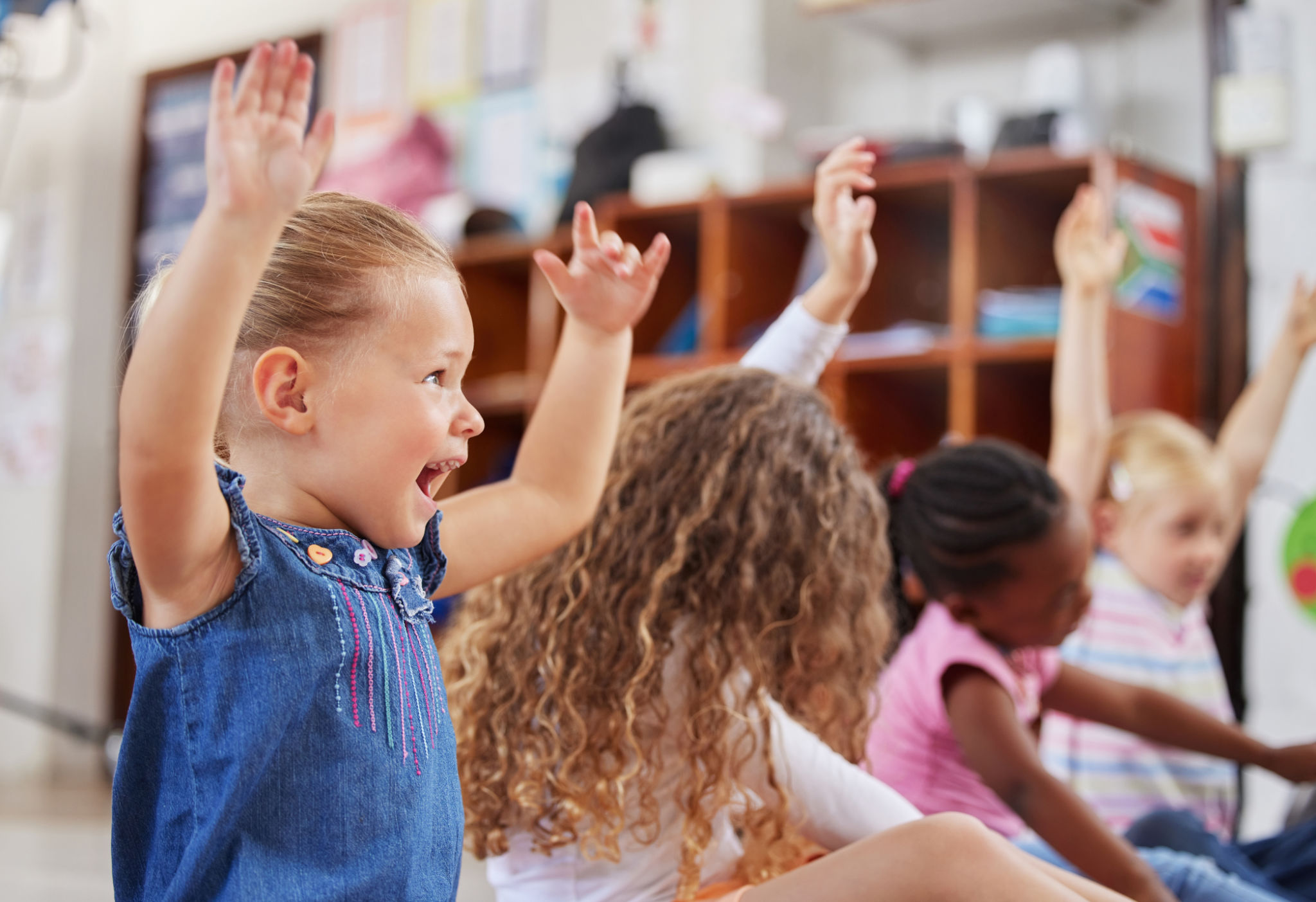
Singalong activities are excellent tools for boosting language skills in young learners. As children sing along to songs, they are exposed to new vocabulary and linguistic structures, facilitating language acquisition. This exposure is particularly beneficial for students learning a second language.
Building Vocabulary
Through repetitive singing, children can learn and remember new words more effectively. Repetition in songs helps engrain vocabulary in a fun and engaging way, making learning feel less like a chore and more like play.
Promoting Social Interaction
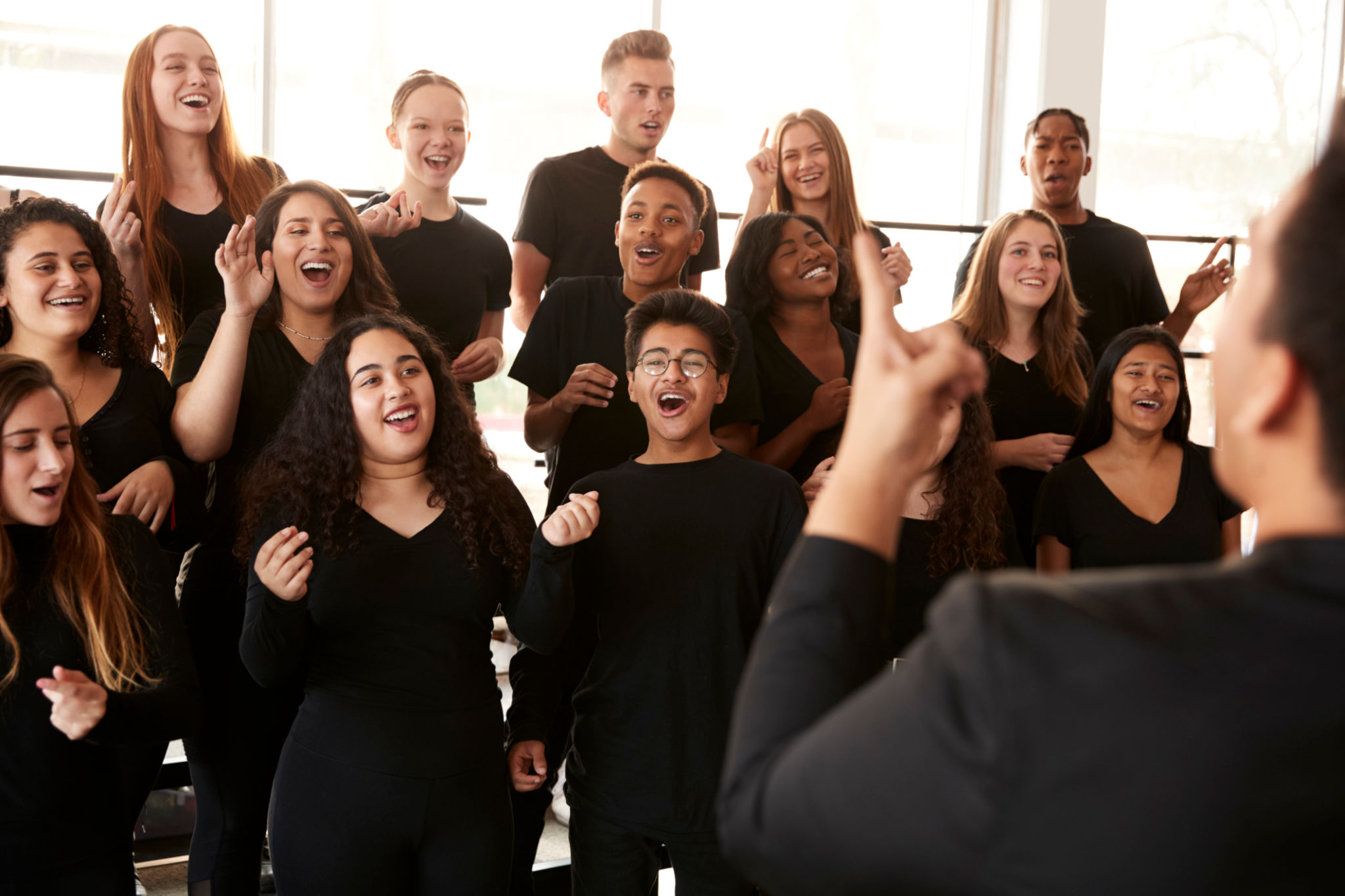
Participating in group singalongs encourages children to interact with each other. This interaction helps build essential social skills such as cooperation, turn-taking, and listening. Singing together fosters a sense of community and belonging among students.
Encouraging Teamwork
Group singing requires coordination and collaboration, teaching children the importance of working together to achieve a common goal. These cooperative activities help develop empathy and mutual respect among peers.

Boosting Confidence and Self-Esteem
Performing in front of others, even in a casual setting like a classroom, can significantly boost a child's confidence. As children become more comfortable singing in front of their peers, they gain self-assurance that can translate into other areas of their lives.
Overcoming Stage Fright
Regular exposure to performing through singalong activities can help children overcome stage fright. This experience builds resilience and prepares them for public speaking and presentations in the future.

Supporting Emotional Development
Music is a powerful tool for emotional expression. Singalong activities allow children to express their feelings and emotions in a safe and supportive environment. This expression is crucial for emotional development and can help children manage their emotions more effectively.
Exploring Emotions Through Music
Through the lyrics and melodies of songs, children can explore a range of emotions. This exploration helps them understand and articulate their own feelings, fostering emotional intelligence and empathy.
Conclusion
Incorporating singalong activities into school programs offers a myriad of benefits that extend beyond simple enjoyment. From enhancing language skills to promoting social interaction and boosting confidence, these activities are a valuable addition to any educational setting. Schools should consider integrating more singalong sessions into their curriculum to support the holistic development of their students.